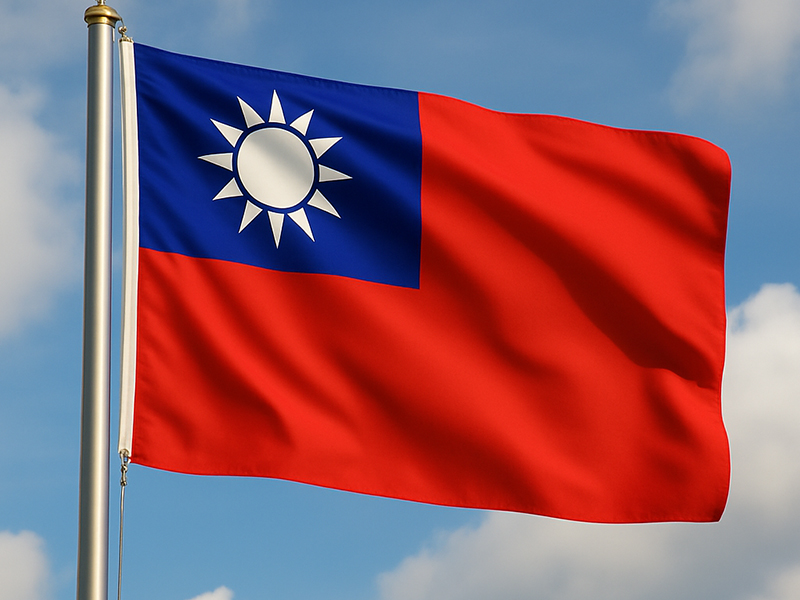
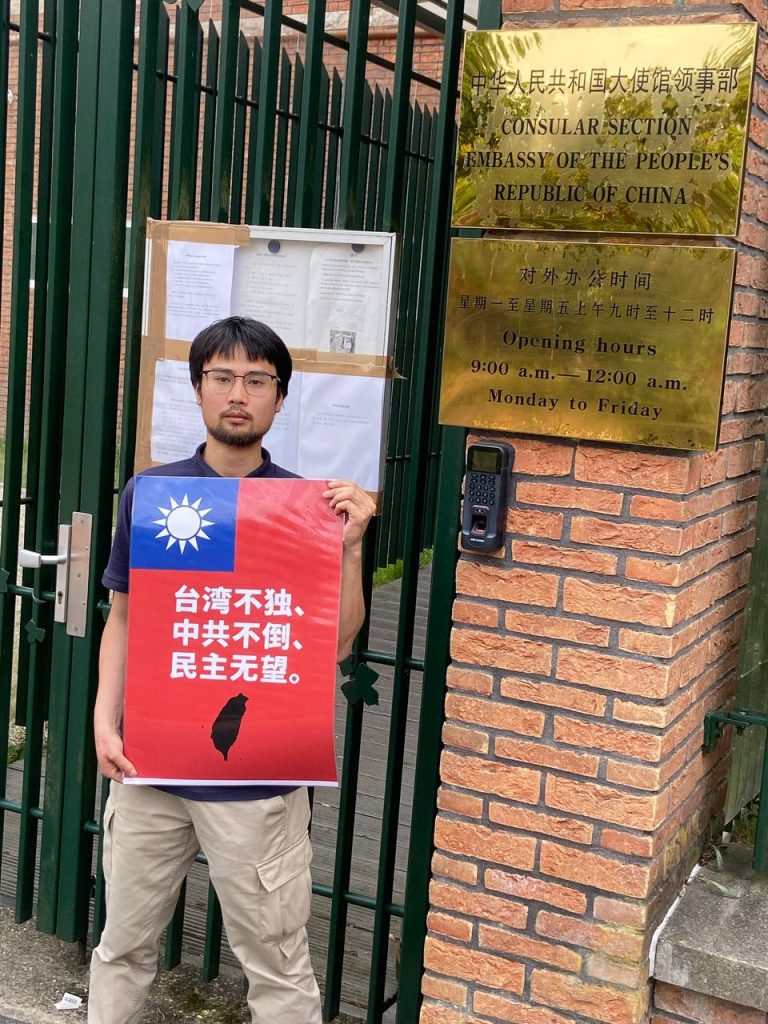
在当今世界,台湾是华语世界中最重要的民主宪政实践地。作为一个多次经历独裁阴影的社会,台湾人民通过数十年的努力,从威权体制走向民主宪政,这一成就来之不易,值得我们高度珍视与支持。
历史的艰难转型
台湾并非天然就是民主的。二十世纪中叶以来,台湾曾长期笼罩在戒严与威权统治之下。人民的言论自由、结社自由、政治参与权利,都曾受到严格压制。直到 1987 年解严,台湾社会才真正开启了民主化的进程。
这一转型不是偶然的,而是由一代代台湾人民通过街头抗争、思想启蒙、社会动员和制度改革共同推动的。民主化的进程中,有无数先行者付出自由,甚至生命的代价。这段历史提醒我们:台湾的宪政民主不是恩赐,而是人民奋斗的结果。
宪政民主的核心价值
台湾的民主不仅仅是“选举”,而是一整套以宪法为基础的制度设计。
- 人民主权:最高权力属于人民,政治领导人必须通过选举产生,并定期接受检验。
- 权力制衡:行政、立法、司法三权分立,避免任何个人或党派垄断权力。
- 法治原则:所有人,包括政治人物,都必须遵守宪法与法律。
- 基本权利保障:言论、新闻、结社、宗教等基本自由得到制度性的保护。
这些价值并非抽象,而是台湾社会的日常实践。正因如此,台湾人民可以自由讨论政治,可以质疑领导人,可以组织社会运动,而不用担心遭受迫害。
与中共专制的鲜明对比
与台湾的民主宪政相比,中国大陆的现状形成了鲜明对照。
在中国,权力高度集中在中共手中,选举沦为空壳,法治变成党治,人民的基本权利随时可能被剥夺。言论受到审查,思想受到压制,异议者受到打压,媒体被控制。
台湾的存在,正好戳破了中共的谎言。中共常常声称“民主不适合中国人”,但台湾社会用事实证明:华语文化、中华传统与民主宪政完全可以结合,甚至能开出绚烂之花。
台湾的国际意义
在全球民主退潮、威权扩张的背景下,台湾不仅是岛内人民的家园,也是全世界自由与民主的重要阵地。
台湾在亚太地区扮演着“民主灯塔”的角色:它向香港人展示了可能的未来,也给中国大陆的民众带来希望。台湾的民主经验告诉所有人:即便在华语语境中,民主宪政依然能够扎根、成长、茁壮。
正因如此,台湾遭遇到来自专制政权的威胁与打压。但威胁恰恰证明了台湾的价值:一个自由的中国样本,是专制者最恐惧的存在。
守护与展望
支持台湾民主宪政,就是支持自由、法治与人类普世价值。我们不仅要声援台湾人民捍卫现有的宪政成果,也要提醒世界:台湾的存续与自由,并非仅仅关乎台湾本身,更关乎整个亚太地区的稳定,以及全球民主力量的未来。
台湾民主之路的背后,是一部人民争取自由的历史;台湾宪政制度的坚守,是对专制最大的反击。
我们坚信:无论外部环境多么险恶,台湾人民将继续以勇气与智慧守护他们的自由制度。而所有珍惜民主与人权的人,都有责任与台湾站在一起。
台湾的宪政民主不是孤立的,它是人类自由史的一部分。支持台湾,就是支持自由与正义本身。
让我们共同守护台湾的民主宪政,使其继续成为东方的灯塔,照亮仍在黑暗中挣扎的人们。
In Support of Taiwan’s Constitutional Democracy
In today’s world, Taiwan represents the most important practice of constitutional democracy in the Chinese-speaking world. Having endured decades of authoritarian rule, the people of Taiwan have, through persistent struggle, built a system based on freedom, law, and accountability. This achievement was not given; it was earned.
A Difficult Historical Transition
Taiwan was not always democratic. For decades after the mid-20th century, the island lived under martial law and authoritarian rule. Freedoms of speech, assembly, and political participation were all heavily restricted. Only with the lifting of martial law in 1987 did the journey toward democratization begin.
This transformation was the result of generations of effort—street protests, intellectual awakening, social movements, and institutional reforms. Many pioneers paid the price of freedom, and some paid with their lives. This history reminds us: Taiwan’s constitutional democracy is not a gift but the fruit of sacrifice and courage.
The Core Values of Constitutional Democracy
Taiwan’s democracy is not merely about elections; it is a constitutional system designed to safeguard rights and limit power.
- Popular sovereignty: Political leaders are chosen through elections and must submit to regular accountability.
- Checks and balances: Executive, legislative, and judicial powers are separated to prevent domination by any single person or party.
- Rule of law: Everyone, including those in power, is bound by the constitution and the law.
- Fundamental rights: Freedoms of expression, press, association, and religion are guaranteed in practice.
These principles are not abstract; they are lived realities. In Taiwan, citizens openly debate politics, challenge leaders, and organize movements—without fear of persecution.
A Stark Contrast with the CCP’s Authoritarianism
Taiwan’s system stands in stark contrast to the situation in mainland China.
In the PRC, power is concentrated in the hands of the Chinese Communist Party. Elections are hollow, “rule of law” is in fact “rule by party,” and basic rights can be revoked at will. Speech is censored, thought is controlled, dissent is punished, and the media is manipulated.
Taiwan’s democracy exposes the CCP’s greatest lie—that “democracy is not suitable for Chinese people.” Taiwan proves the opposite: constitutional democracy can thrive in a Chinese-speaking society, deeply rooted in shared cultural traditions while flowering in liberty.
Taiwan’s Global Significance
Amid a global decline in democracy and the rise of authoritarianism, Taiwan is not only a home for its 23 million people but also a critical frontline for freedom worldwide.
Taiwan is a beacon of democracy in Asia: it offers Hong Kongers a vision of what is possible and gives people in mainland China hope. Its success tells the world that democratic governance is viable in the Chinese cultural context, and that liberty is universal.
This is precisely why Taiwan faces relentless threats from authoritarian powers. Yet these threats prove Taiwan’s importance: the very existence of a free Chinese democracy is what autocrats fear most.
Defense and Outlook
Supporting Taiwan’s constitutional democracy means supporting freedom, the rule of law, and universal human rights. We must stand with the Taiwanese people as they defend what they have built, and remind the world: Taiwan’s future is tied not only to the island itself but to the stability of the Asia-Pacific and the future of global democracy.
Taiwan’s democratic path is a history written in the blood and sweat of its people. Its constitutional system is the strongest rebuttal to tyranny.
We believe that, no matter the external challenges, Taiwan’s citizens will continue to safeguard their liberty with wisdom and courage. And all who cherish democracy and human rights have a responsibility to stand with them.
Taiwan’s constitutional democracy is not an isolated case—it is part of the broader history of human freedom. To support Taiwan is to support liberty and justice everywhere.
Let us defend Taiwan’s democracy so that it remains a lighthouse in the East, shining hope for those still trapped in darkness.