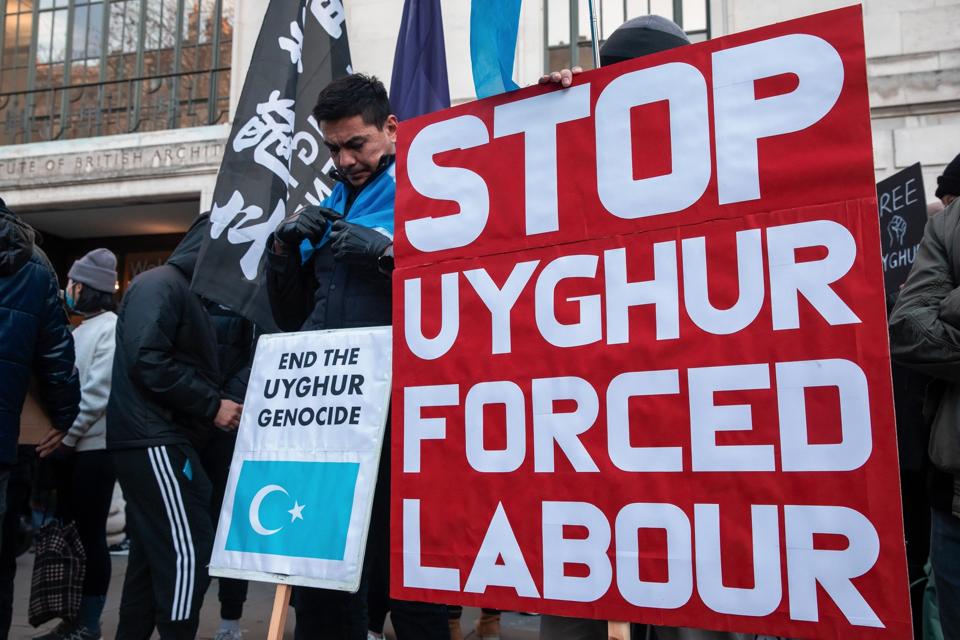
清晨的乌鲁木齐,街道看似和往常一样:大屏幕上播放着“和谐社会”的宣传片,行人低头赶路。但真正的新疆生活,早已与“和谐”无关。
在这个被中共称为“反恐前线”的地方,数百万维吾尔人和其他突厥族群正经历着21世纪最严酷的政治迫害。监控摄像头、武警哨卡、定时的上门检查,构成了他们日常的背景音。
“再教育”的另一种说法:集中营
官方称之为“职业技能教育培训中心”。国际社会和幸存者则更准确地称它们为“集中营”。
在哈萨克斯坦的难民阿依古丽的叙述里,她在营地度过了一年半:
- 每天清晨被迫唱爱国歌曲;
- 午餐时间只能吃到掺杂着沙子的馒头;
- 晚上必须背诵习近平语录,直到嗓子嘶哑;
- 她见到过同伴因拒绝认罪而被剃光头、戴上手铐脚镣关进“黑屋”。
她说:“那不是学校,那是人被打碎、重塑的地方。”
联合国独立专家与人权组织多次报告,这类营地在新疆广泛存在,关押人数可能高达一百万以上。
新疆不仅是地理边疆,更是数字极权的试验场。
- DNA采集与人脸识别:当地居民被强制抽血建库,任何一个算法都可能决定他们能否坐火车、能否出城。
- 智能手机检查:维吾尔人的手机必须安装监控软件,任何一首“不合时宜的歌曲”、任何一句宗教经文,都可能成为牢狱之灾的“证据”。
- 社会信用标签:人被分为“安全”“可疑”“危险”三类,往往不需任何理由。
这些技术随后被推广到全国,而新疆人,是第一批“实验对象”。
更残酷的是家庭。大量维吾尔人被拘押,孩子被送进“寄宿学校”。他们被迫学习普通话,背诵政治口号,与母语、宗教、传统完全隔绝。
许多流亡海外的维吾尔人,已经多年无法与在新疆的家人通话。有人拨出电话,却只能听到那端冷冰冰的“号码不存在”。他们不敢轻易联系,因为每一次通话,都可能让亲人在国内遭受惩罚。
世界的回声
2019年起,越来越多的证词和泄露文件被曝光,《新疆公安文件》《中国电信数据》揭示了大规模拘押、酷刑、思想改造的细节。美国、英国、加拿大、欧洲议会纷纷用“种族灭绝”一词来形容中共在新疆的所作所为。
然而,经济与外交利益让许多国家选择沉默。联合国人权高专在访问新疆时,被中共严密控制,结果报告语言暧昧,回避了最尖锐的指控。
有人说,这只是中国的“内政”。但事实是:当上百万无辜者被任意关押,当宗教与文化被系统性摧毁,当女性被强制绝育,当整个人群被当作“安全隐患”来处理,这已经远远超越了“内政”的范畴。
新疆不是孤立的,它是当代极权的一面镜子。今天在新疆发生的事,明天可能在别处上演。
我们必须记住并重复那些被噤声者的故事。我们必须把“再教育营”真正的名字说出来——它们是集中营。我们必须在每一次国际会议、每一篇报道中提醒世界:在新疆,还有数百万人的命运正被铁幕掩盖。
声援维吾尔人,就是声援自由。
声援新疆,就是在捍卫人类的共同尊严。
有一天,这些档案会被解密,这些真相会被写入历史。那时,所有曾经的沉默与纵容,也会被一并记录。历史会问:在新疆的黑暗年代里,你是否发出过声音?
Between Silence and Iron Curtains: A Call for Solidarity With the Uyghurs
On an ordinary morning in Urumqi, the streets look deceptively calm. Giant billboards beam slogans of “harmony,” and people hurry along with their heads down. Yet beneath this surface, life in Xinjiang has little to do with harmony.
For years, the region that Beijing brands as the “frontline of counterterrorism” has become the site of one of the most sweeping campaigns of political repression in the 21st century. Millions of Uyghurs and other Turkic Muslims now live under a regime of surveillance, fear, and arbitrary detention. Police checkpoints, facial recognition cameras, and unannounced home inspections have become the background noise of daily existence.
The Camps Behind the Euphemism
Officials call them “vocational training centers.” Survivors call them by their true name: concentration camps.
In the testimony of Aygul, a Kazakh woman who fled across the border after 18 months of detention, the picture is harrowing.
- Each morning began with forced patriotic songs.
- Meals consisted of bread mixed with sand.
- Evenings required reciting Xi Jinping’s speeches until her throat went raw.
- She witnessed fellow detainees who refused to “confess” having their heads shaved, shackled, and thrown into pitch-black isolation cells.
“It was not a school,” she said. “It was a place where people were broken and remade.”
UN experts and human rights groups have confirmed that such camps are widespread, with detainees numbering in the hundreds of thousands—possibly over a million.
A Laboratory of Digital Authoritarianism
Xinjiang is not only a geographical frontier; it has become a testing ground for digital authoritarianism.
- DNA collection and facial recognition: Residents were compelled to give blood samples, creating a massive genetic database. Algorithms determined who could board a train or leave a town.
- Smartphone inspections: Uyghurs were forced to install surveillance apps. A religious verse or a politically sensitive song could trigger arrest.
- Social credit tags: Entire communities were graded as “safe,” “suspicious,” or “dangerous,” often with no explanation.
These technologies, pioneered in Xinjiang, are now being exported across China and beyond.
Families Torn Apart
Perhaps the deepest wound lies in the destruction of family life. With parents detained, countless children have been sent to state-run boarding schools where they are forbidden from speaking their native language or practicing their faith.
Uyghurs living abroad often describe the silence as unbearable. Phone calls to relatives back home end in disconnected lines. Many no longer dare to reach out, knowing that a simple overseas conversation could mean punishment for their loved ones.
The World’s Uneasy Response
Since 2019, leaked documents and eyewitness accounts have provided undeniable evidence of mass detention, coercive indoctrination, and cultural erasure. The “Xinjiang Police Files” and other datasets revealed chilling details—photos of shackled detainees, internal orders demanding “no mercy,” and systematic monitoring of entire populations.
The U.S., Canada, the U.K., and the European Parliament have used the word “genocide” to describe Beijing’s policies. Yet many governments remain hesitant, constrained by trade and diplomacy. Even a visit by the UN High Commissioner for Human Rights was tightly stage-managed, producing a watered-down report that stopped short of clear condemnation.
Why We Must Speak Out
Some argue that this is China’s “internal affair.” But when over a million people are arbitrarily detained, when an entire culture is targeted for eradication, when women face forced sterilization and children are separated from parents—this is no longer a domestic matter. It is a human crisis of global significance.
Xinjiang is not an isolated tragedy; it is a mirror reflecting the dangers of unchecked authoritarianism. What happens there today may be replicated elsewhere tomorrow.
Solidarity and Memory
We must remember the stories of those silenced. We must call the camps by their rightful name. And we must demand accountability. Every protest, every report, every raised voice is a small breach in the iron curtain.
To stand with the Uyghurs is to stand with freedom. To defend Xinjiang is to defend the shared dignity of humanity.
One day, these files will be declassified, these stories written into history. And when that day comes, the world will ask: in the darkest years of Xinjiang, did you raise your voice?