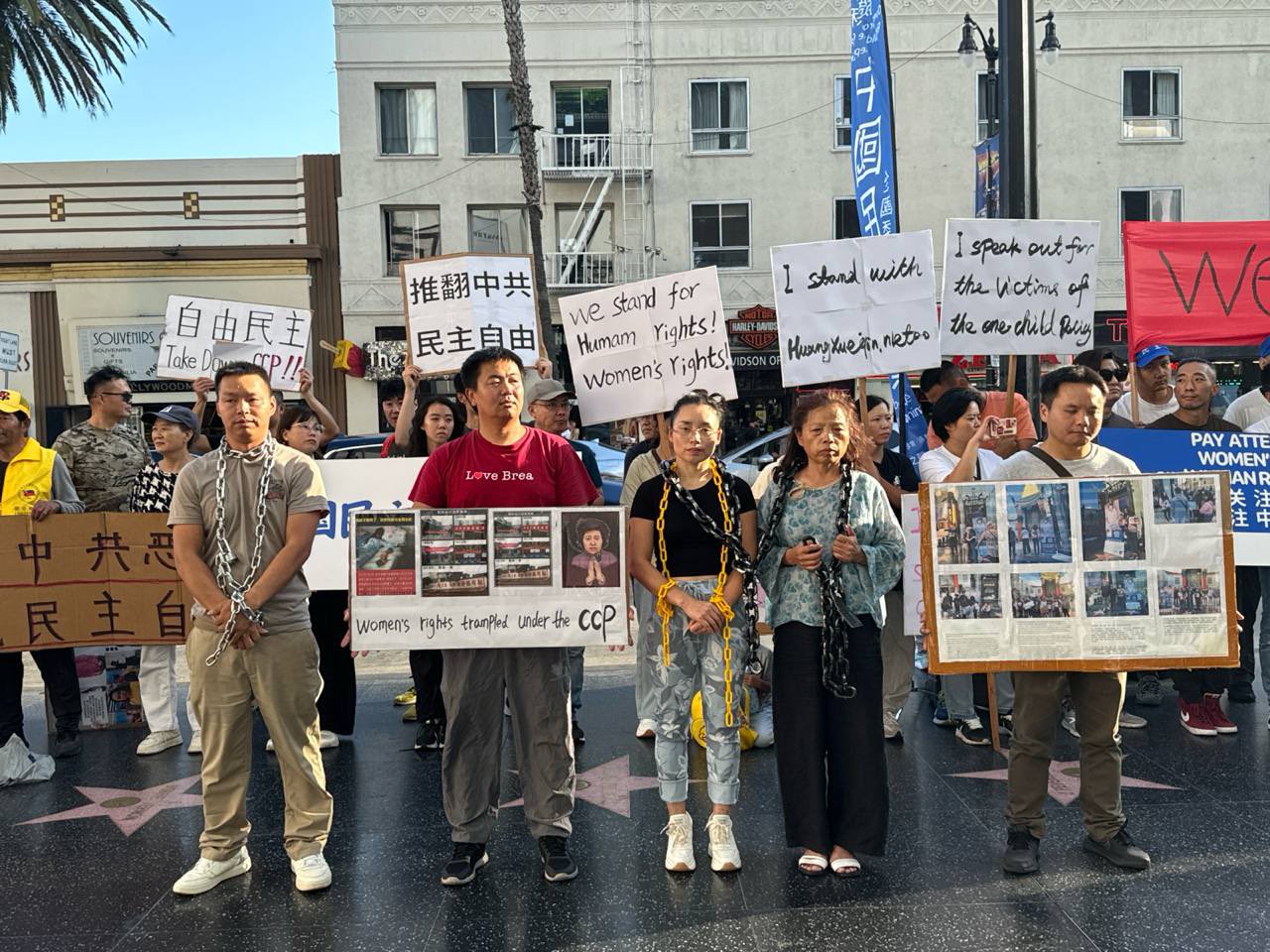
一、历史与制度脉络(为什么权力会涉及生育)
从总体上看,生育控制从来不是单纯的“人口学”问题,它被权力用于实现政治、经济与社会目标。在中国,几代政策的演变(从计划生育的严格管理到后来名义上的放松)与国家政治逻辑紧密交织:
- 国家意志与人口治理的传统:当代中国政府长期将人口规模与“国家实力”“社会稳定”直接联系,人口政策被纳入国家治理工具箱。
- 国家机器的行政能力与从上到下的执行模式:地方考核、户籍制度、基层党组织与高强度行政动员,使生育政策极易被转化为可操作、可以量化的“任务”。
- 权力优先于权利的治理范式:在一个把“维稳”“政治控制”放在首位的体制里,生育与生育权容易被工具化:当某个群体被视作“风险”或“异质”,生育限制或生育干预就可能成为压制手段。
了解这个脉络有助于把“人口政策的错误”理解为制度性问题,而不仅是个别官员的失误。
二、政策工具:国家如何影响或控制生育(从温和到强制的光谱)
国家控制生育可以通过多种工具完成,通常沿着从“激励→限制→压制→强制”的光谱展开:
- 宣传与经济激励/惩罚:税收、补贴、住房与教育资源分配等,能正向或反向影响生育意愿。
- 行政限制与户籍制度:学区房、户口与社会福利配套的绑定,使得生育决策与社会资源获取紧密相关。
- 强制性的医疗介入与计划生育手段:包括强制堕胎、强制或被胁迫的节育植入(避孕环、结扎)、定期身体检查以监控生育行为(历史上在不同地区均有记录)。
- 监控与惩罚机制:把“生育指标”“计划生育完成率”做为地方政绩考核的一部分,诱导地方采取极端手段达到目标。
- 对特定人群的集体性措施:当某个民族/群体被视为“风险”或“异己”,国家可能采用差别化、针对性的干预手段(从限制生育权、强制避孕到在拘押环境中实施医疗程序等)。
重要的是:这些工具可以混合使用,并因政治目标而被选择性放大。
三、针对维吾尔族及其他少数民族的生育压制:证据与机制(为什么被称为“人口工程”或“文化/生育灭绝”)
近年来,多个独立调查、学术研究、人权组织报告以及法庭式审查(people’s tribunals/Uyghur Tribunal 等在公共讨论中被引用)都集中描述了以下几类事实与模式(下列表述以“报告显示/调查记录/法庭式审查结论”这类措辞呈现):
- 出生率急剧下降的统计证据
- 若干研究与地区统计显示,在新疆若干地区,少数民族的出生率在过去若干年出现显著下降,降幅超过自然变化与经济因素所能解释的范围。
- 大规模的行政拘押与“职业技能教育中心”/再教育营
- 在被拘押背景下,囚禁、隔离和对妇女的身体控制构成了生育机会的直接剥夺;长期关押导致生育行为被直接中断。
- 强制节育、强制使用长期避孕措施与疑似强制绝育的报告
- 多项人权组织和独立记者通过幸存者证词、地方医疗记录泄露、人口统计学分析等途径,记录了强制性避孕、强制绝育手术和堕胎的个案与模式。若干法庭式审查和调查结论认为这些行为构成对人口生育能力的系统性侵害。
- 对生育的行政限制与生育奖励政策的逆向运用
- 对汉族/优先群体实施生育鼓励与资源倾斜,而对目标少数民族采用限制与监控,这种差别化政策本身具有“选择性减少人口”的效果。
- 文化与语言层面的同化政策与“家庭重构”策略
- 除了直接的生育干预,文化压迫与社会结构性打击(拆散家庭、限制宗教与文化生活)也间接削弱了群体的生育意愿与群体延续力。
综合起来,上述模式形成了“通过行政拘押、医疗干预与结构性资源分配来显著降低一个群体人口再生能力”的体系化行为。许多独立审查机构与人权组织认为,这些行为在目的或效果上,符合对群体的人口减少或文化消灭的构成要素。由于“灭绝/种族灭绝”这一法律概念有严格定义(需证明存在“旨在全部或部分消灭某个群体的意图”),不同机构在法律结论上有所差异,但事实调查显示的是:存在系统性、针对性的生育控制措施与人口压缩的强烈证据链。
四、对异议政治人士与公民社会的生育权打压:方法与影响
与少数民族被区别对待的情况相似,政治异议者、批评者与活跃的公民社会参与者也可能在生育权方面遭遇直接或间接的压制,常见机制包括:
- 监视、行政惩罚、司法打击导致家庭破裂或生育中断
- 被拘押、长期监视、失业、信用受损会直接削弱个体组建与养育家庭的能力。
- 就业与社会福利的隐性惩罚
- 异议者及其家庭成员在就业、晋升、社保、子女教育等方面受到歧视,形成“生育成本”上升的现实。
- 医疗与生育服务受限
- 在一些情况下,当局可能阻止异议者获得某些医疗服务或对其生育决定施加行政干预(例如强制体检、对怀孕女性施压等——这类个案以幸存者证词与人权调查为主)。
- 心理与社会压力
- 长期的社会污名化、强制监控、威胁与恐吓,令许多有政治风险的人选择推迟或放弃生育以避免把孩子置于不稳定环境。
总之,除了直接的医疗强制,制度性惩罚与社会封锁也构成了对生育权的实质性剥夺。
五、人口后果与国家层面的长远影响
如果上述机制持续并广泛存在,其后果是多方面且深远的:
- 人口结构失衡:出生率长期偏低会导致劳动力短缺、抚养比上升、社会养老负担加重。
- 特定群体的文化/人口弱化:若对某些民族采取差别化压制,可能导致该群体人口比例与文化传承的严重削弱。
- 社会信任与社会资本的丧失:当国家把生育作为政治工具并以强制手段执行,会严重破坏民众与国家之间的信任,影响社会长期合作与公共政策的有效性。
- 国际关系与法律责任风险:若证据指向系统性侵犯人权甚至构成种族灭绝要件,国家将面临国际法、国际制裁与声誉的重大风险。
六、为什么这是一种“政治选择”而不是“自然后果”
重要的一点:出生率下降在现代化进程中有其经济与社会因素(城市化、教育提升、女性劳动力参与率提高等)。但是当生育降低是由特定政治决策、强制性措施、差别性压制或对特定群体的系统性干预造成时,它就超越了“现代化副产品”,成为政治意志的体现。因此分析时要区分自然社会经济诱因与被动的政治/制度性压制。
七、应对、问责与策略建议
面对这种情况,以下路径既是道义上的要求,也是切实可行的应对策略:
- 保存证据与记录幸存者证词:医学纪录、医院手术记录、地方生育统计、幸存者采访等是后续法律与历史追责的关键。
- 国际调查与独立监督:推动联合国机构、人权组织与独立法庭式审查继续调查并公开报告事实。
- 外交与法律制裁工具:对责任人实施签证禁令、财产制裁与目标性制裁,限制其在海外的自由与资产运作空间。
- 支持受害群体的人道援助:医疗、心理、法律援助以及难民/庇护支持是短期必须的干预。
- 推动国内外的公共讨论与学术研究:用扎实的学术证据与数据分析对被指控行为进行系统评估,从而减少否认空间。
- 强化国际医学伦理与卫生系统透明度要求:要求跨国医院与专业团体履行尽职调查,不参与可疑医疗行为的隐匿或转移。
八、结语:对话、正义与历史记忆
把生育问题政治化、把生育权作为压制工具,是对基本人权的严重侵害,也是一种短视的国家治理逻辑。无论出于何种政治动机,系统性干扰一个群体的生育与家庭生活,必将留下难以磨灭的道德债务与法律责任。历史会记录:当权力把“人民”的未来当作可牺牲的计量对象时,正义与记忆最终会对其作出审判。
In-Depth Analysis: The CCP’s Family Planning Policies, Population Suppression of Uyghurs, and Reproductive Rights Crackdown on Dissidents
I. Historical and Institutional Context: Why Power Intervenes in Birth
Birth control is never a mere demographic issue; under authoritarian systems, it becomes a political tool. In China, decades of policies — from rigid family planning to nominal relaxation — are inseparable from state logic:
- State power and demographic governance: Population size has long been equated with “national strength” and “social stability.”
- Administrative machinery and top-down enforcement: Party cells, local officials, and the household registration system (hukou) enable strict implementation of quotas.
- Power prioritized over rights: In a system where “stability maintenance” trumps individual rights, reproductive autonomy is easily instrumentalized, especially against groups deemed “risky” or “disloyal.”
Thus, birth suppression in China must be understood as a systemic political choice, not a mere technocratic mistake.
II. Policy Tools: How the State Controls Reproduction
The CCP employs a spectrum of measures, ranging from persuasion to coercion:
- Propaganda and economic incentives/penalties: Taxes, subsidies, housing, and education resources tied to birth compliance.
- Administrative restrictions and hukou: Linking schooling and welfare access to birth permits.
- Medical coercion: Forced abortions, sterilizations, or IUD insertions, often mandated through mass campaigns.
- Monitoring and punishment: Local cadres assessed on “birth quota completion,” incentivizing extreme measures.
- Targeted collective measures: Selective suppression of reproduction within specific minority or political groups.
These tools are not random but strategically deployed depending on political objectives.
III. Population Suppression of Uyghurs: Evidence and Mechanisms
A growing body of reports, survivor testimonies, leaked documents, and tribunal-style hearings (e.g., the Uyghur Tribunal in London, 2021) provide consistent patterns:
- Sharp birthrate decline: Official statistics show dramatic drops in Uyghur-majority regions, far exceeding economic explanations.
- Mass detention in “re-education” camps: Confinement prevents family life and interrupts reproductive continuity.
- Forced contraception and sterilization: Reports document coerced IUDs, sterilization surgeries, and abortions, sometimes enforced through detention or threats.
- Differentiated birth policies: While Han families were encouraged to have more children, Uyghur families faced stricter quotas and invasive surveillance.
- Cultural assimilation and family separation: Boarding schools, religious restrictions, and dismantled family structures indirectly suppress reproductive capacity.
Taken together, these measures amount to systemic interference in a group’s reproductive ability. Independent tribunals and human rights organizations have argued that these practices meet elements of crimes against humanity, and in some cases, genocide.
IV. Crackdown on Dissidents’ Reproductive Rights
Beyond ethnic minorities, political dissidents and human rights defenders also face reproductive repression:
- Detention and surveillance: Arrests and imprisonment interrupt family life and deter childbearing.
- Employment and welfare discrimination: Blacklisting dissidents limits access to stable income, raising the cost of raising children.
- Restricted medical access: Testimonies describe forced medical exams, denial of maternal care, or subtle state interference.
- Psychological pressure: Harassment and threats force activists to avoid or postpone having children, fearing risks to their families.
Thus, the state weaponizes reproductive rights not only for population engineering but also as a means of political punishment.
V. Demographic and Social Consequences
- Structural imbalance: Persistently low fertility will burden the economy with labor shortages and unsustainable elderly support ratios.
- Targeted cultural erasure: Suppression of specific groups accelerates assimilation and cultural decline.
- Collapse of trust: State intrusion into family and reproduction undermines public trust in governance.
- International risk: If proven to constitute crimes against humanity or genocide, the CCP faces legal accountability and sanctions.
VI. Why This Is a Political Choice, Not an Inevitable Trend
Modernization does reduce fertility rates worldwide. But when fertility collapse results from deliberate political intervention, coercive policies, and discriminatory practices, it ceases to be “natural decline” and becomes an act of governance. In China’s case, demographic disaster is not fate — it is the result of systemic choices.
VII. Accountability and Response
To address these abuses:
- Evidence preservation: Survivor testimony, medical records, and leaked statistics must be safeguarded.
- International investigation: UN bodies and independent tribunals should continue fact-finding.
- Sanctions and accountability: Targeted sanctions against officials responsible for coercive policies.
- Humanitarian support: Medical, psychological, and legal aid to victims.
- Public discourse and scholarship: Strengthening demographic research to counter propaganda.
- Global medical ethics: International institutions must ensure complicity is prevented.
VIII. Conclusion: Justice and Historical Memory
Politicizing birth and weaponizing reproductive rights is among the gravest human rights violations. The CCP’s systemic use of family planning, targeted suppression of Uyghur births, and repression of dissidents’ reproductive autonomy is not only short-sighted governance but also a moral crime.
History will remember: when a regime sacrificed its people’s future for control, it forfeited its legitimacy. Justice may be delayed, but memory will outlast propaganda.